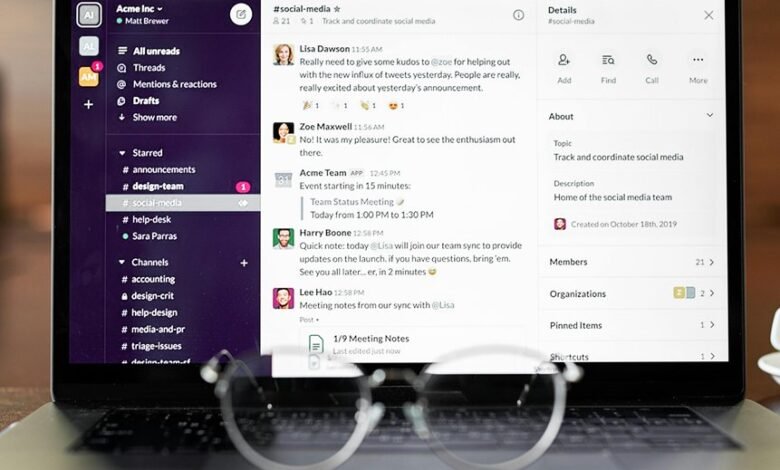
Digital tools have fundamentally reshaped modern workspaces, emphasizing efficiency and collaboration. Their integration into daily operations has led to improved task management and innovative communication methods. Each tool showcases distinct features that cater to diverse user needs, enhancing productivity across sectors. As organizations increasingly adopt these applications, understanding their capabilities and future developments becomes crucial. What implications might these advancements hold for the future of work?
The Importance of Digital Tools in Modern Workspaces
Digital tools have transformed modern workspaces by streamlining operations and enhancing communication.
Their significance lies in collaboration enhancement, allowing teams to work cohesively regardless of geographical constraints.
Additionally, these tools facilitate efficiency improvement, automating repetitive tasks and optimizing workflows.
As organizations embrace digital solutions, they gain the freedom to innovate and adapt, ultimately fostering a more dynamic and productive work environment.
Key Features of Digital Tools 8139490918
A multitude of key features define effective digital tools, each contributing to improved functionality and user experience. Notably, a streamlined user interface enhances accessibility, allowing users to navigate effortlessly.
Furthermore, robust collaboration features facilitate seamless communication and teamwork, empowering users to share ideas and resources efficiently. Together, these attributes foster an environment conducive to creativity and productivity, aligning with the audience’s desire for autonomy.
Top Applications for Enhanced Productivity
While various applications exist to enhance productivity, certain tools stand out due to their specific functionalities and user-centric designs.
Notably, task management apps streamline project organization, enabling users to prioritize effectively.
Meanwhile, collaboration software fosters seamless communication, allowing teams to share ideas and resources in real time.
Together, these applications empower users to optimize workflows and achieve greater efficiency in diverse work environments.
Future Trends in Digital Tool Development
How will emerging technologies shape the future of digital tool development?
Innovations such as artificial intelligence and machine learning will enhance user experience by personalizing interactions and automating tasks.
Additionally, advancements in augmented reality and blockchain will revolutionize collaboration and security.
As these technologies evolve, developers must prioritize adaptability and user-centric design to meet the diverse needs of a freedom-seeking audience.
Conclusion
As organizations navigate the complexities of modern workspaces, the pivotal role of digital tools becomes increasingly evident. These applications not only enhance productivity but also lay the groundwork for future innovations, such as AI and augmented reality. However, the question looms: will teams fully harness these capabilities, or will they falter amidst the rapid technological evolution? The unfolding narrative of digital tools suggests that their true potential remains tantalizingly just out of reach, waiting to be fully realized.