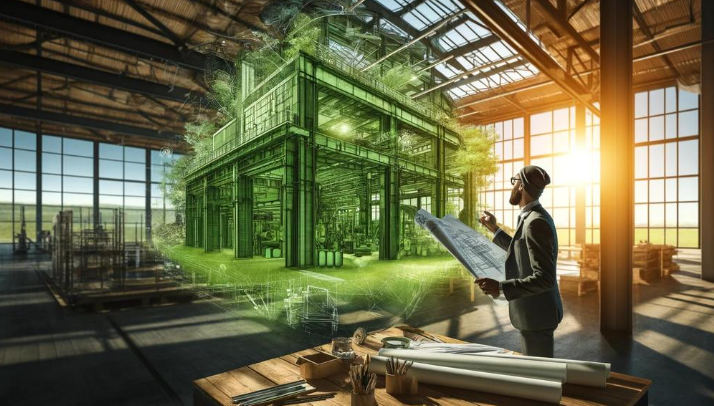
In the evolving realm of architecture and construction, sustainability has transformed from a mere trend into a cornerstone of modern practice. Architects and engineers are now deeply committed to enhancing energy efficiency, improving indoor air quality, and minimizing environmental impact in their designs. Among the pivotal components facilitating these sustainable practices are industrial dampers, which play a crucial role in optimizing building systems. Companies like Fox Equipment are at the forefront, offering innovative damper solutions that significantly contribute to the sustainability of contemporary architectural projects.
An Overview of Industrial Dampers
Industrial dampers are critical devices embedded within ventilation systems, serving the primary function of regulating airflow. Predominantly utilized in Heating, Ventilation, and Air Conditioning (HVAC) systems across commercial and industrial applications, these dampers are vital for the effective control of air distribution. By optimizing airflow patterns, industrial dampers help maintain desired temperature and humidity levels, thus enhancing a building’s energy efficiency.
The benefits of industrial dampers extend beyond comfort. They are instrumental in achieving considerable energy savings. By effectively managing airflow, these devices minimize energy loss, thereby reducing the workload on heating and cooling systems. This function is vital to advancing sustainable building principles.
Elevating Energy Efficiency
Energy efficiency remains a fundamental aspect of sustainable building design, and the role of industrial dampers cannot be overstated. Their integration into HVAC systems significantly bolsters a building’s overall energy performance. With precise temperature regulation, industrial dampers contribute to the reduction of energy waste, translating into lower utility costs.
For example, these dampers can adaptively control the flow of air based on external temperature fluctuations. This dynamic adjustment not only ensures a comfortable indoor climate but simultaneously decreases the operational burden on HVAC systems. The result is a marked reduction in energy consumption and overall operational costs, underscoring the importance of industrial dampers in energy-efficient design.
Enhancing Indoor Air Quality
Indoor air quality (IAQ) represents another critical factor within the framework of sustainable design. Subpar IAQ can precipitate various health issues for occupants, necessitating optimal air conditions. Industrial dampers play a key role in addressing IAQ challenges by effectively managing ventilation and controlling the influx of outside air.
When properly designed and maintained, damper systems have the capacity to filter out contaminants and allergens from incoming air, thereby fostering a healthier indoor environment. Moreover, these systems prevent the reintroduction of stale air into inhabited areas, significantly enhancing the overall quality of air within the building.
See also: The Influence of Local Culture on Digital Branding Among Minnesota Businesses
Promoting Sustainable Material Practices
Beyond their significant contributions to energy efficiency and indoor air quality, industrial dampers also support sustainable material practices. An increasing number of modern dampers are constructed from recyclable or environmentally friendly materials, reducing the carbon footprint associated with their production.
By opting for high-quality industrial dampers from reputable manufacturers like Fox Equipment, builders can select products that align with broad sustainability goals. This choice not only promotes waste reduction but also encourages energy-efficient practices throughout the building’s lifecycle.
Embracing a Forward-Thinking Approach to Sustainability
As the demand for sustainable architectural solutions grows, the integration of effective devices such as industrial dampers becomes ever more critical. Buildings equipped with these systems not only comply with existing sustainability standards but are also well-positioned to adapt to future regulatory changes and environmental challenges.
Moreover, technological advancements continually enhance the functionality of industrial dampers. The rise of smart dampers, equipped with sensors for real-time monitoring and adjustment, takes energy efficiency to new heights. This innovation aligns with a broader vision of developing smart, sustainable urban environments focused on minimizing energy consumption and reducing ecological impact.
Conclusion
In summary, industrial dampers are integral to achieving sustainable building design. By elevating energy efficiency, enhancing indoor air quality, and promoting the use of eco-friendly materials, these devices contribute significantly to the development of healthier and more sustainable environments. Fox Equipment is dedicated to delivering advanced industrial dampers that not only fulfill the current demands of architects and builders but also exceed expectations as we collectively strive toward a sustainable future. Embracing the capabilities and advantages of industrial dampers is a crucial step in fostering a greener and more sustainable tomorrow.